
You will not need to look for a rickshaw in Asakusa. The pullers find you, usually within a few steps of Kaminarimon, where the stands are. The fare is the thing to know before they reach you: at the three biggest operators, 30 minutes costs ¥10,000 for two people or ¥9,000 for one, tax included, for the whole rickshaw. Ride alone and you save ¥1,000; bring a second person and they cost ¥1,000.
The online listings below are the best-reviewed Asakusa rickshaw rides you can book ahead, with live prices:
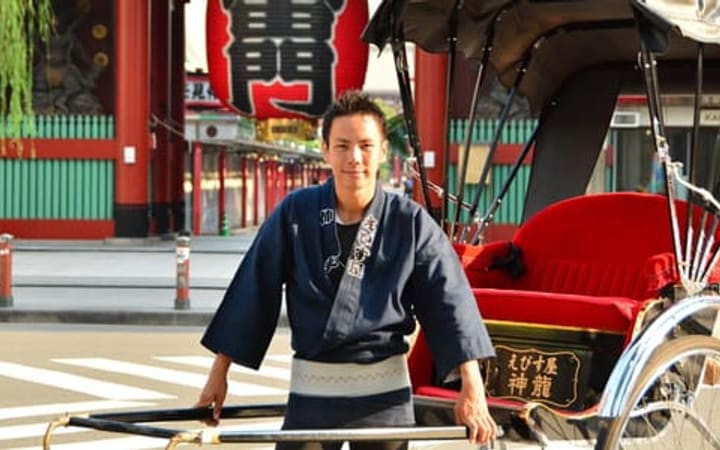
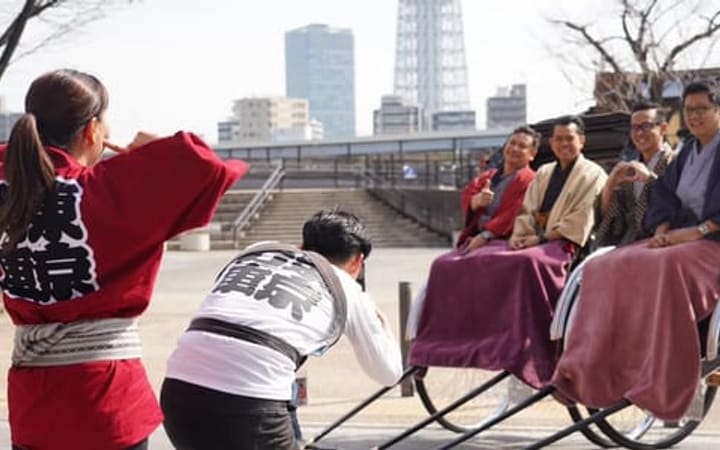
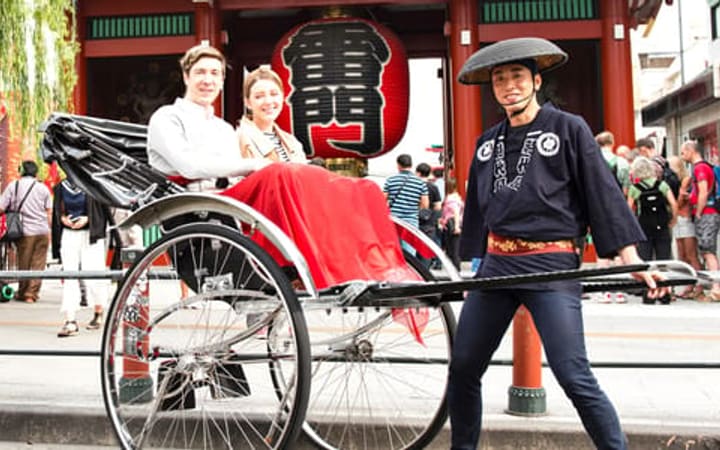
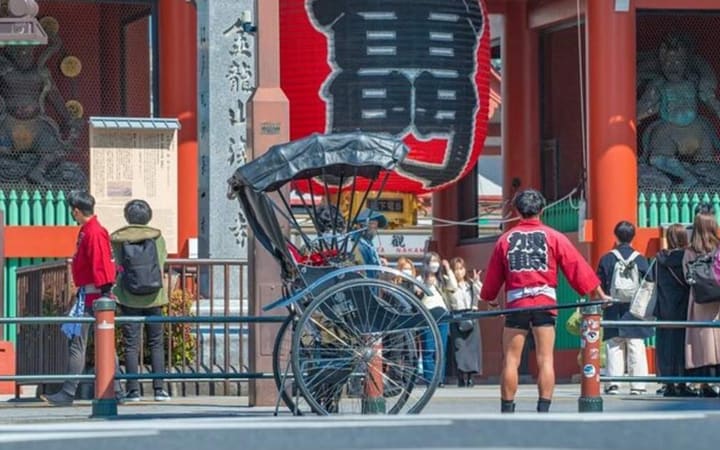
Prices are the lowest option the platform shows, in US dollars, and move with dates and exchange rates. The booking page is final. Prices checked: September 28, 2026.
The fares, operator by operator
This is the table that saves arguments. All three companies publish their fares, tax included, per rickshaw.
| Ride | Ebisuya | Jidaiya | Tokyo Rikisha |
|---|---|---|---|
| Short ride | 12 min: ¥5,000 / ¥4,000 | ~10 min: ¥5,000 / ¥4,000 | 10 min: ¥5,000 / ¥4,000 |
| 20 min | — | ¥8,000 / ¥7,000 | ¥8,000 / ¥7,000 |
| 30 min | ¥10,000 / ¥9,000 | ¥10,000 / ¥9,000 | ¥10,000 / ¥9,000 |
| 45 min | ¥15,000 / ¥13,000 | ¥15,000 / ¥13,000 | ¥15,000 / ¥13,000 |
| 60 min | ¥20,000 / ¥16,000 | ¥20,000 / ¥16,000 | ¥20,000 / ¥16,000 |
| Longer | +¥3,000 / +¥2,500 per 10 min | 120 min ¥38,000 / ¥31,000 | 180 min ¥56,000 / ¥46,000 |
Two riders / one rider. Sources: each operator's own fare page.
Identical base fares mean you are choosing on other things. Ebisuya charges ¥1,000 per rickshaw for requesting an English-speaking puller, ¥1,000 for a named puller and ¥1,000 for bringing a pet, and adds a pick-up fee of ¥1,000 or more if you want to start or finish somewhere other than Kaminarimon. Jidaiya and Tokyo Rikisha only take reservations for rides of 30 minutes or longer, and Ebisuya's 12-minute ride is walk-up only. Jidaiya, which claims to have run Asakusa's first sightseeing rickshaws in 1997, also has a barrier-free station where wheelchair users can board, for ¥8,800 extra.
A word on who these companies are, because the jackets all look alike from a distance. Ebisuya is the national name: it started with three rickshaws in Kyoto's Arashiyama in 1992, arrived at Kaminarimon in 1999 and now runs stands in eleven tourist towns, from Otaru to Yufuin. Jidaiya began in Yokohama in 1987, moved to Asakusa in 1996 and also runs kimono rental and culture classes from its base in Kaminarimon 2-chome. Tokyo Rikisha publishes the same fare table, all the way up to a three-hour charter, and takes reservations for rides of 30 minutes or more. Beyond these three there are smaller outfits; whoever pitches you, ask which company they work for and to see the fare list before you sit down.
What a 30-minute rickshaw tour covers
The rides start and end at Kaminarimon. Ebisuya's standard 30-minute course is a good picture of what everyone sells: out along Denboin-dori, round to Nitenmon gate, on to a spot with a clear view of Tokyo Skytree, back past Denboin and down to Kaminarimon. The route can be changed, and the puller will adjust it to traffic and to what you want to see.
What you are really paying for is the puller. They talk the whole way, point out where to eat afterwards, and stop at the good angles to take photos with your phone. Ebisuya's own pitch is that the ride makes the walk afterwards more fun because you know what you're looking at. That's accurate: the best use of a rickshaw is at the start of your Asakusa visit, not the end.
Which length to choose:
- 10–12 minutes (¥4,000–5,000). A lap around the gate area and a photo. Skip it unless the photo is the whole point.
- 30 minutes (¥9,000–10,000). The sweet spot. You see the back streets and the Skytree view and get back with time to walk.
- 45–60 minutes. Worth it with a good puller and a real interest in the neighborhood's history; you'll see more of the neighborhood and hear more of its stories.
- Longer courses. Ebisuya runs a 70-minute "power spot" course at ¥23,000 / ¥18,500 and a 180-minute "Daimyo" course at ¥60,000 / ¥50,000. These are for special occasions.

Booking online or on the street
You can walk up and ride. Ebisuya says anyone who allows time will get a rickshaw, and it takes cash, cards and cashless payment. So why book?
- A fixed time. Useful if you are fitting the ride between a kimono rental and a lunch booking.
- Language. On the street you get whoever is free. Booking lets you ask for English.
- Price clarity. The online price is settled before you arrive.
The catch with online listings is that some are priced per person while the street fares are per rickshaw. For two people, a per-person listing can come out above the ¥10,000 you would pay at the stand; for a solo traveler it may come out below ¥9,000. Do the sum for your group before you click. Cancellation rules also differ: Ebisuya's own site is free until 16:00 the day before, the GetYourGuide listings we checked allow free cancellation up to 24 hours ahead, and other platforms set their own terms per listing, so read the cancellation line before you pay. Our reviews of GetYourGuide, Klook and Headout cover each one's refund terms, and Ebisuya also sells through KKday and Rakuten.
Same experience, two platforms
Tokyo: Asakusa Sightseeing Tour by Rickshaw
from US$34.98
★ 4.9241 reviewslower price todayView on GetYourGuide →Dealing with the touts
Street pitching around Kaminarimon is the unloved side of Asakusa rickshaws. A petition to the Taito Ward assembly complained of pullers soliciting and blocking the pavement around the gate, and said complaints and warnings from the Asakusa police had passed 40 in about six weeks. Visitors often describe the pitch as persistent. The big companies, Ebisuya and Jidaiya included, belong to the Asakusa sightseeing rickshaw union, but not every puller on the street works for them.
How to handle it:
- A firm "no, thank you" is normal and you don't need to explain. Keep walking.
- Ask two questions before you sit down: how many minutes, and is the price per person or per rickshaw. A pitch that sounds cheap is often the 10–12-minute ride.
- Know who you are riding with. Ebisuya's pullers stand to the right of Kaminarimon as you face it, under an Ebisuya sign, with the character 雷 on the back of their jackets.
- Agree the finish point. Ending away from Kaminarimon can cost extra.
Kids, bags, rain and other practicalities
A rickshaw seat takes two adults. At Ebisuya, up to two small children aged 5 and under can ride free on laps, one per adult; primary-school children need their own seat and there is no child fare, so a family of two adults and two school-age kids needs two rickshaws. Jidaiya also lets preschoolers ride free on a lap, depending on their size. For the rest of a family day, see Asakusa with kids.
- Bags and strollers. One carry-on-size suitcase or folded stroller fits per rickshaw at Ebisuya; bigger bags can be left at the stand.
- Pets. Ebisuya takes up to two small pets per rickshaw for ¥1,000.
- Pregnancy. Ebisuya accepts riders from week 17 of pregnancy, with a seatbelt.
- Rain. Rides go ahead in rain and snow with a hood and a rain cover. They stop for typhoons and heavy snow.
- Hours. Ebisuya's Asakusa stand opens at 9:30 every day; the last ride time changes with the season. For the ride after dark under the lit-up gates, see Asakusa at night.
Ebisuya does not publish a weight limit. Some packages that include a rickshaw, such as Hanaka's kimono-and-rickshaw combo on GetYourGuide, set their own limits, so read the listing.
Kimono and rickshaw together
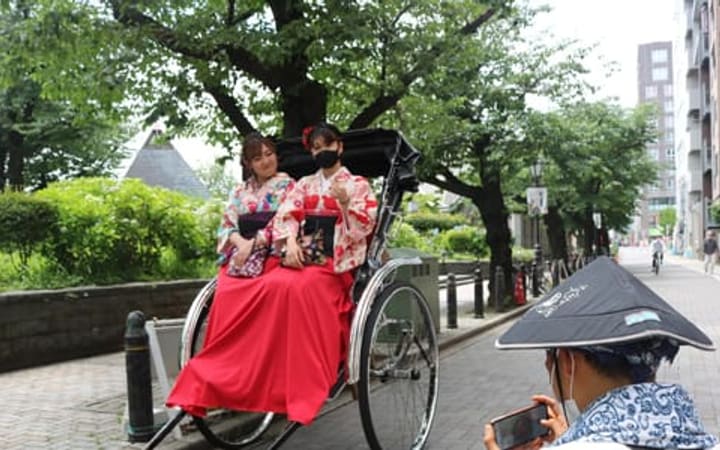
Rickshaw plus kimono is the classic Asakusa photo, and several listings bundle them.
Prices are the lowest option the platform shows, in US dollars, and move with dates and exchange rates. The booking page is final. Prices checked: September 28, 2026.
Be clear about what the combo includes. The rickshaw in Hanaka's package is a 12-minute ride, not a tour; longer rides can be arranged with the puller on the day at extra cost. It's a good deal if the kimono is the main event and the rickshaw is the photo; see our Hanaka review. If the ride is what you care about, rent the kimono on its own and book a 30-minute ride separately. MAIKOYA also sells 30- and 45-minute rides from Kaminarimon, with a two-rider minimum and a seven-day cancellation rule when you book with them directly; our MAIKOYA review has the details.
Our pick
Walk to Kaminarimon early, ignore the first pitch, and take a 30-minute ride from a named operator's stand, telling the puller what you want to see. If you want to lock in a time and an English-speaking puller, book online; our Ebisuya review explains why it is the safest name to start with. Then get out and walk the Senso-ji grounds knowing what you're looking at.
Book a 30-minute Asakusa rickshaw ride from US$34.98 · GetYourGuide