
Asakusa is the north-eastern corner of central Tokyo, on the west bank of the Sumida River in Taito City. It grew up around Senso-ji, a Buddhist temple founded, by its own tradition, in 628, when two fishermen netted a small Kannon statue in the river. From the Edo period onward it was also the city's playground: street shows behind the temple, then theaters and Tokyo's first dedicated cinema in the Rokku district. Today it is where most visitors see "old Tokyo" for the first time, and it deserves the attention. The temple is free, the gate lantern is enormous, and the side streets still run on nikomi stew and cheap drinks.
Is it worth it? If you have one free morning in Tokyo, spend it here. If you have a whole day, Asakusa can fill it without repeating itself: an 1853-founded amusement park, a sumo dinner show, kimono, rickshaws, craft workshops, and a river walk to Skytree.
Asakusa in one minute
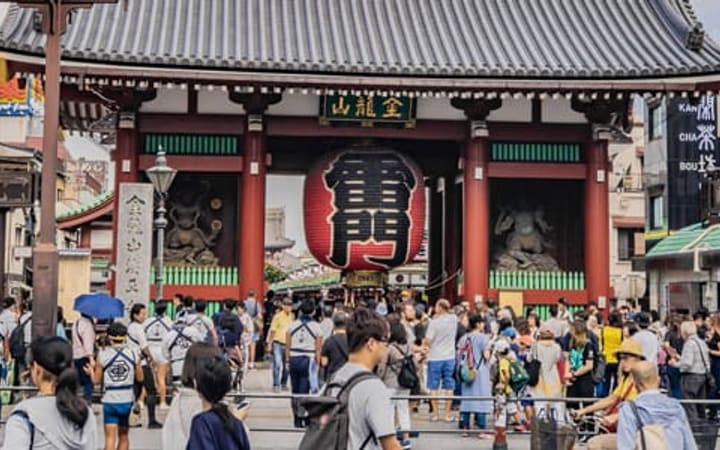
The neighborhood is small. From Kaminarimon, the Thunder Gate with the red lantern, it is about 250 m up Nakamise-dori to the main hall, and most of what this guide covers is within a 15-minute walk of it. Four railway lines call themselves "Asakusa": the Ginza Line, Toei Asakusa Line and Tobu Skytree Line stations cluster by Kaminarimon and the river, while the Tsukuba Express station sits about 600 m west under Kokusai-dori. Pick your exit accordingly (Toei A4 or Ginza Exit 1 for the gate; TX A1 for Hoppy Street and Don Quijote). Our getting there page has routes from Shinjuku, Shibuya and both airports.
The rhythm of the day matters more than the map. At 07:30 the temple belongs to joggers and people praying on their way to work. By 10:30 on a Saturday Nakamise moves at shuffling pace. After 17:00 the tour groups leave, the main hall shuts, and the lights come on.
Prices are the lowest option the platform shows, in US dollars, and move with dates and exchange rates. The booking page is final. Prices checked: September 28, 2026.
Things to do in Asakusa, ranked
This is the order we would give a friend on a first visit, with the free things first because they are also the best.
- Senso-ji, Kaminarimon and Asakusa Shrine. The gate's lantern is 3.9 m tall and weighs about 700 kg; the main hall was rebuilt in 1958 after the 1945 air raid, with a dragon painted on its ceiling. Draw an omikuji fortune (Senso-ji is known for handing out a lot of "bad luck" slips; tie yours to the rack and walk away). The Shinto shrine just east of the hall is a separate institution and runs the Sanja Matsuri. Full guide: Senso-ji.
- Nakamise snacks. Eighty-seven shops on a 250 m approach. Buy age-manju at Kokonoe (¥200 plain) and eat it at the counter, because walking and eating on Nakamise is politely discouraged. More in our Asakusa food guide.
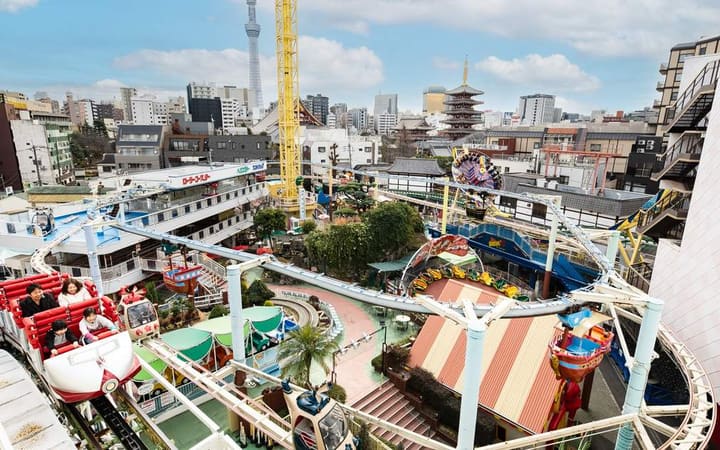
- Hanayashiki. The park that bills itself as Japan's oldest amusement park, opened as a flower garden in 1853. Its 1953 roller coaster, billed as the oldest still running in Japan, tops out at 42 km/h. Small, retro and charming. See Hanayashiki for tickets and the closed-day calendar.
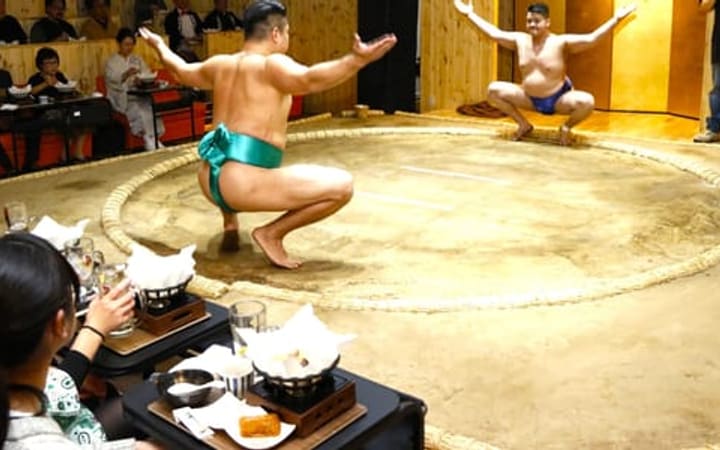
- A sumo dinner show. Asakusa Sumo Club in the Rokku district runs a two-hour show with chanko hotpot, retired and student wrestlers, and a lottery to step into the ring. It is entertainment, not a stable, and it is still the most-reviewed Asakusa experience on GetYourGuide. Our sumo guide explains the show versus real morning practice, and our Asakusa Sumo Club review scores it.
- A guided walk. Two hours with a good guide turns the temple from a photo stop into a story. Free volunteer tours in English leave the tourist center on most days; paid ones go deeper into the back streets. See walking tours.
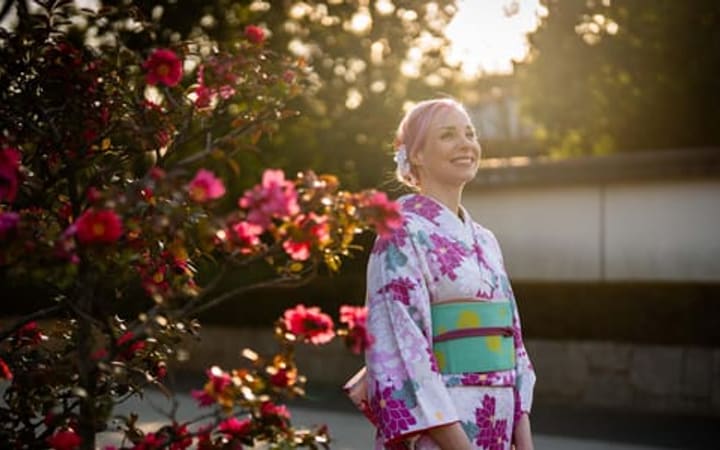
- Kimono rental. More than a dozen shops within five minutes of the gate, standard plans from roughly ¥3,300 to ¥6,900. Watch the return time: some shops want it back by 17:00, others 18:00. Compare in kimono rental.
- A rickshaw ride. The big three operators charge the same ¥10,000 for 30 minutes for two (¥9,000 for one). Skip the 10- or 12-minute ride pitched at the gate; 30 minutes is when the puller gets to the good stories. Details in rickshaw and our Ebisuya review.
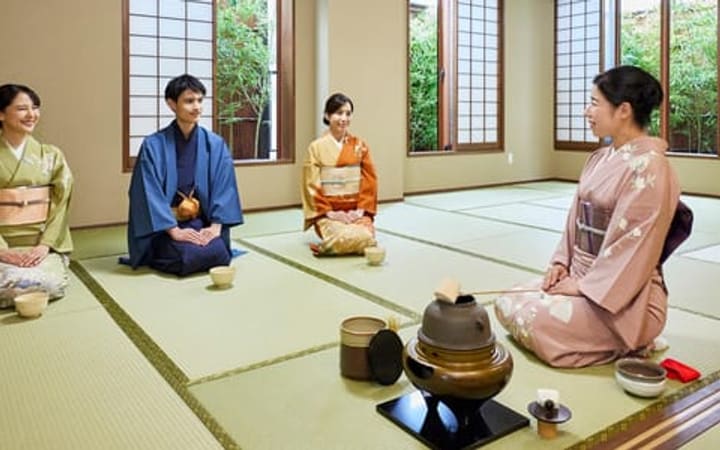
- Tea ceremony and crafts. Matcha in a tatami room, candy sculpture, chopstick carving, food samples in wax. Most sessions run under 90 minutes. See tea ceremony and crafts.
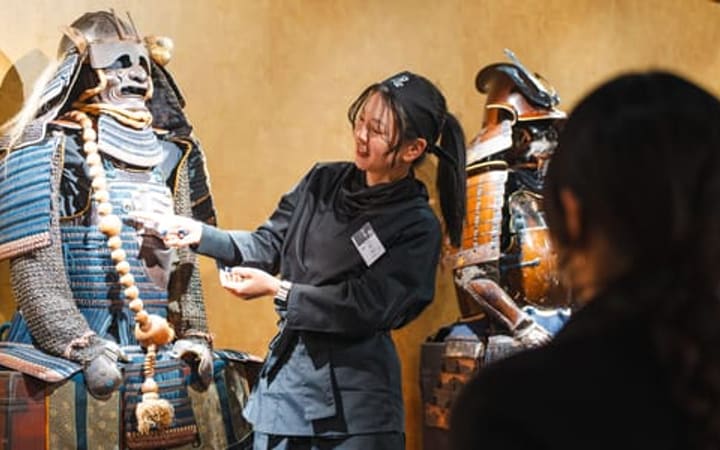
- Samurai Ninja Museum. A one-hour English-only tour with armor try-on and shuriken throwing, two minutes from Tawaramachi station. It is a recent, purpose-built attraction with replica props, so think hands-on show rather than historic collection. Samurai Ninja Museum.
- Lunch, the Asakusa way. Dark, sweet tendon at Daikokuya (from ¥2,300), a walk-in lunch beef bowl at Imahan (¥2,200, 20 a day), Kagetsudo's jumbo melon pan (¥320). Food has the full list.
- Hoppy Street. A lane of open-front izakaya west of the temple serving beef-tendon nikomi and Hoppy, a 0.8% beer-taste drink you top up with shochu. Bring cash. Hoppy Street.
- Sumida Park and the river. Cherry trees on both banks, a free footbridge (open 07:00–22:00) beside the Tobu railway to the Skytree side, and water buses to Odaiba. Sumida Park and river.
- Asakusa after dark. The temple is lit from sunset to about 23:00, the Asahi golden flame sits across the river, and the rakugo theater runs until 21:00. Asakusa at night.
- Asakusa Underground Street. A short 1955 arcade by the Ginza Line gates, now the oldest surviving underground shopping street in Japan, with standing soba and yakisoba. Ten minutes, well spent. Underground Street.
- Don Quijote. The big store at Asakusa 2-10 never closes, which makes it the answer to "where can I buy snacks, socks and sheet masks at 01:00". Don Quijote Asakusa.
- Street go-karts. A guided convoy past Kaminarimon toward Skytree. Only for drivers 18+ with the right paper international permit, so check yours before you book. Go-kart.
- Nearby. Skytree is about 20 minutes on foot, Kappabashi's kitchen-tool street is 5 minutes from the Tsukuba Express station, and Ueno is three stops on the Ginza Line. Nearby.
Traveling with children? Hanayashiki lets under-fives in free, the tourist center rents strollers by the hour through a booking app, and Senso-ji's main hall has an elevator on its left side. Our Asakusa with kids page plans around naps.
- Kaminarimon
- Tourist Information Center
- Nakamise-dori
- Hozomon
- Senso-ji Main Hall
- Asakusa Shrine
- Hanayashiki
- Hoppy Street
- Don Quijote Asakusa
- Samurai Ninja Museum
- Underground Street
- Sumida Park
What is free and what you pay for
Asakusa is one of the cheapest good days in Tokyo if you want it to be. The official prices below are what the venues publish; platform prices move daily and are shown live in the booking cards on each guide.
| Attraction | Cost | Note |
|---|---|---|
| Senso-ji and Asakusa Shrine | Free | Main hall 06:00–17:00 (06:30 Oct–Mar) |
| Temple illumination | Free | Sunset to about 23:00 |
| Tourist center 8F terrace | Free | 09:00–22:00, view over Nakamise to Skytree |
| Sumida River Walk | Free | 07:00–22:00 |
| Volunteer walking tour (English) | Free | From the tourist center at 10:30, not Wednesdays or Fridays |
| Omikuji fortune | usually ¥100 | Coin in the box; the temple posts no price, so check the sign |
| Street snacks | ¥200–¥320 a piece | Kokonoe age-manju ¥200, Kagetsudo melon pan ¥320 |
| Hanayashiki | ¥1,600 entry / ¥4,600 One-Day Pass | Adults; rides ¥500–¥800 each without a pass |
| Samurai Ninja Museum | ¥3,300 | Adults, 1 hour |
| Rakugo at Engei Hall | ¥3,500 | ¥2,500 after 18:00, in Japanese |
| Kimono rental | about ¥3,300–¥6,900 | Standard plan, depends on shop |
| Rickshaw, 30 min | ¥10,000 for two | ¥9,000 for one rider |
| Sumo dinner show | ¥16,000 | Direct standard seat, 2 hours with meal |
The free column is genuinely enough for a morning. The paid column is where it pays to choose carefully, which is what the rest of this site is for.
Two ways to spend the day
Half day: the morning plan
- 08:00 Start at Kaminarimon while it is still photographable. Walk Nakamise with the shutters down.
- 08:20 Senso-ji main hall, the pagoda, the purification fountain, an omikuji. Then Asakusa Shrine next door.
- 09:30 Loop back down Nakamise as the shops open; age-manju at Kokonoe, ningyo-yaki at Kimuraya near the temple end.
- 10:30 Cross to the tourist center opposite the gate and ride to the 8th-floor terrace for the view you just walked.
- 11:00 Melon pan at Kagetsudo (from 11:00 on weekdays), or queue for Imahan's lunch bowls at 11:30.
- 12:30 A 30-minute rickshaw loop from the gate, or finish on the Underground Street with a standing bowl of soba.
Prefer afternoons? Reverse it: arrive at 16:00, see the hall before 17:00, stay for the illumination, end on Hoppy Street.
Full day: temple to sumo
- 08:00–10:00 The morning loop above.
- 10:00 Hanayashiki at opening. The One-Day Pass pays off at roughly four to six rides, depending on how many 8-ticket rides you take.
- 12:30 Tendon at Daikokuya on Denboin-dori.
- 14:00 Choose one: a tea ceremony, the Samurai Ninja Museum, or a craft workshop. If you rented a kimono in the morning, this is the hour it earns its fee.
- 16:00 Sumida Park, then over the River Walk toward Skytree, or simply sit on the bank as the Asahi flame catches the light.
- 17:15 A glass of Denki Bran, the 30% house brandy cocktail, at Kamiya Bar by Azumabashi (closed Tuesdays and two Mondays a month).
- 18:00 Sumo dinner show (seatings at 12:00, 15:00, 18:00 and 20:30).
- 20:15 Back past Senso-ji, now lit and nearly empty, and a last Hoppy on Hoppy Street.
Staying the night makes both plans easier. Our hotels guide sorts the options by which station they sit on.
Best time of day and year
Time of day. Before 09:00 or after 17:00. Between about 10:00 and 16:00 on weekends, Nakamise is shoulder to shoulder. The 18th of every month is Kannon's fair day and the main hall is busier than usual.
Time of year. Cherry blossom in Sumida Park peaks in late March or early April. The Sanja Matsuri takes over the whole district on the Friday to Sunday built around the third Saturday of May, with about 1.8 million people over three days: spectacular, and a bad weekend for a quiet temple visit. The hozuki ground-cherry market fills the temple on 9–10 July; the Sumida River fireworks are usually on the last Saturday of July; the hagoita battledore market runs 17–19 December. The first three days of January are the most crowded of all, with one-way routes through the grounds.
Rain. Asakusa copes. Rickshaws run under a hood, most Hanayashiki rides keep going, and the museum and workshops are indoors. Only the river loses its charm.
How we pick and book
We book the way we tell you to. GetYourGuide carries by far the most Asakusa experiences, with free cancellation up to 24 hours before on most listings, so it is our default. Klook comes in where it sells what GetYourGuide does not: the Hanayashiki One-Day Pass is the clearest case. And sometimes the right answer is neither. Hanayashiki's own web ticket costs the same as the gate and can be cancelled until 23:59 the day before; Asakusa Imahan only takes bookings by phone; the water bus is easiest booked with the boat company itself.
Every operator we send you to has a review on our operators and platforms page, scored with an omikuji fortune from daikichi (great blessing) down to kyo (bad luck). Read the GetYourGuide review and the Klook review to see how the two compare on cancellation, prices and support.
Browse the guide
Start with the sights, then the things you book.
- Asakusa Hanayashiki Amusement ParkA flower garden in 1853, a tiny amusement park today
- Senso-ji Temple & Nakamise-doriTokyo's oldest temple, founded 628 by tradition
- Asakusa Underground StreetOpened 1955, still selling noodles below the station
- Sumida Park and the Sumida RiverFive minutes from Senso-ji, on both banks
- Near AsakusaSkytree, Ueno, Ryogoku, Kappabashi and the old east side
- Kimono rental in AsakusaSeven shops, one temple, and a return deadline
- Riding a rickshaw in AsakusaTwo seats, one puller, thirty minutes of back streets
- Sumo in AsakusaA dinner show in Rokku, real sumo one river bend south
- Samurai Ninja Museum Tokyo, AsakusaArmor, shuriken and a sword lesson near Tawaramachi
- Tea ceremony and craft workshops in AsakusaMatcha, kintsugi, chopsticks, candy and cut glass
- Asakusa walking toursPaid, free, or on your own two feet
- Go-karting from AsakusaStreet karts past Senso-ji and Skytree, and the permit trap
Eat and drink your way through the afternoon, then plan the logistics.
- Food in AsakusaFrom ¥200 temple snacks to 1895 sukiyaki
- Hoppy Street, AsakusaStew, shochu and plastic stools west of the temple
- Don Quijote AsakusaTwo stores, one of them never closes
- Asakusa at nightAfter the main hall closes at 17:00
- Asakusa with KidsWhat works for toddlers, school kids and teens
- Getting to AsakusaFour stations, two airports, one river
- Where to stay in AsakusaHotels near Senso-ji, from hostels to river views
If you already know you want to book something and would rather browse than read, GetYourGuide's Asakusa page lists everything in one place.