
Asakusa is at the northeast corner of central Tokyo, and that turns out to be a good place to stand. Within twenty minutes, by foot or by one short train ride, you can be at the top of Tokyo Skytree, in the museums of Ueno Park, at the sumo hall in Ryogoku, or in a street of 170 kitchen-tool shops. This page is the answer to "what else is near Asakusa": what each place is good for, how to get there, and which ones pair best with a morning at Senso-ji.
Distances at a glance
Times are from the Senso-ji and Kaminarimon area.
| Place | Best way from Asakusa | Time | Good for |
|---|---|---|---|
| Sumida Park | Walk east | 5 min | Cherry blossoms, river, water bus |
| Tokyo Skytree | Walk over the Sumida River Walk, or Tobu line 1 stop | about 20 min on foot, 3 min by train | The view, the aquarium |
| Kappabashi | Walk west | about 15 min | Knives, tableware, food samples |
| Kuramae | Walk south, or Toei Asakusa Line 1 stop | about 15 min on foot | Crafts, coffee, chocolate |
| Ueno | Ginza Line, 3 stops | about 5 min ride | Museums, zoo, Ameyoko market |
| Yanaka | Ginza Line to Ueno, JR 2 stops to Nippori, then walk | 3 legs, 5-min walk at the end | Old-Tokyo lanes |
| Ryogoku | Toei Asakusa Line to Kuramae, walk, Oedo Line 1 stop | about 15–20 min | Sumo hall, Edo-Tokyo Museum |
| Odaiba | Water bus from the Asakusa pier | 50–65 min | The bay, by boat |
Tokyo Skytree: walk it, and buy online
Skytree is the obvious neighbor: at 634 m it dominates every view from Asakusa, and it is just across the river in Sumida City. The best way there is on foot. Cross the free Sumida River Walk beside the Tobu railway bridge (open 07:00–22:00), then follow Tokyo Mizumachi, the row of cafés under the viaduct, east to the tower. From Senso-ji that is about 20 minutes. You may read "15 minutes" elsewhere; that is from Tobu Asakusa Station to the base, not from the temple to the entrance. If your legs are done, the Tobu Skytree Line takes about 3 minutes from Tobu Asakusa to Tokyo Skytree Station, and the Toei Asakusa Line runs to Oshiage (Skytree-mae).
Tickets. Prices are dynamic and quoted "from":
| Ticket | Adult (15+) | Child (6–14) |
|---|---|---|
| Tembo Deck (350 m) only | from ¥1,800 | from ¥900 |
| Combo: Tembo Deck + Tembo Galleria (450 m) | from ¥3,000 | from ¥1,500 |
| Galleria add-on, bought inside the Deck | ¥1,400 | ¥700 |
Children 5 and under go free. The number to remember: buying at the 4F counter or ticket machines costs ¥500 more per ticket. Buying online or at a convenience store avoids it. Skytree is usually open 10:00–22:00 with last entry at 21:00, but hours can change without notice.
GetYourGuide and Klook both sell the standard deck ticket, and they are not priced the same, so compare before you pay:
Same experience, two platforms
TOKYO SKYTREE® Observation Deck Admission ticket
from US$13.99
★ 4.515,611 reviewslower price todayView on GetYourGuide →Which floor? The Deck at 350 m is enough for most people on a clear day. The Galleria is a sloping glass ramp another 100 m up; it is worth it at sunset or on your first visit to Tokyo, less so on a hazy afternoon. Go an hour before sunset and you get the city in daylight, the sunset and the lights for one ticket.
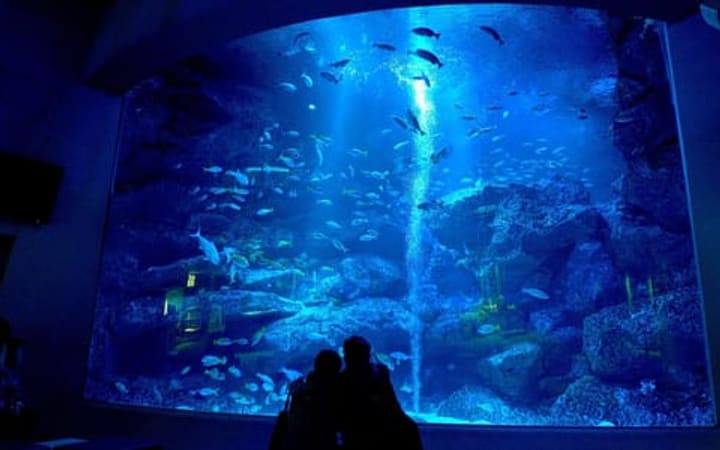
Sumida Aquarium is in the same complex, on the 5F–6F of Tokyo Solamachi. General admission is ¥2,700 for adults, ¥2,000 for high-school students, ¥1,400 for elementary and junior-high students and ¥900 for children aged 3 and over. With children, the combined ticket saves you a second queue:
Prices are the lowest option the platform shows, in US dollars, and move with dates and exchange rates. The booking page is final. Prices checked: September 28, 2026.
Ueno: three stops for a whole day
The Ginza Line, Japan's first subway, was built between Ueno and Asakusa, and it is still the fastest link: three stops (Asakusa, Tawaramachi, Inaricho, Ueno), about five minutes. Many sites say two stops; count them yourself.
Ueno Park is Tokyo's museum quarter. The Tokyo National Museum, the one to choose if you only see one, is a 10-minute walk from JR Ueno Station. Its permanent collection costs ¥1,000 for adults; it is open 9:30–17:00, later on Fridays and Saturdays, and closed on Mondays unless Monday is a holiday. The same park has the National Museum of Western Art and the National Museum of Nature and Science, a large pond (Shinobazu) with swan boats, and cherry trees that fill in spring.
Ueno Zoo is open 9:30–17:00 (last entry 16:00), closed on Mondays (Tuesday when Monday is a holiday) and over New Year. Adults pay ¥600, over-65s ¥300 and junior-high students ¥200; children of elementary-school age and under are free. One thing to know before you promise anyone: there are no giant pandas. The last two went back to China, and Japan now has none.
Ameyoko (Ameya-Yokocho) is the market street that runs along the JR tracks from Ueno toward Okachimachi. It began as a postwar black market and still trades loudly: dried fish, spices, cheap sneakers, fruit on sticks and standing bars under the tracks. It is the least polished place on this page and one of the most fun.
A guided half day that strings Asakusa, Kappabashi and Ueno together is in the offers above; if you want a private guide for the old east side, see the Yanaka section below.

Kappabashi: the kitchen street, 15 minutes west
Kappabashi Dogu Street is about 800 m long with more than 170 shops selling everything a restaurant needs: knives, pots, lacquer bowls, noren curtains, paper lanterns, and the plastic food samples you see in restaurant windows. The street association calls it Japan's largest kitchen-tool shopping street, and merchants began gathering here around 1912.
It is a 15-minute walk west of Senso-ji, or 5 minutes from Tawaramachi on the Ginza Line or from the Tsukuba Express Asakusa station. Is it closed on Sundays? Partly: each shop sets its own holidays, most open on Saturday, and about 30% open on Sunday. Weekdays are best. A tool festival, the Kappabashi Dogu Matsuri, takes over the street for a week in October.
What to buy: a Japanese knife, a set of rice bowls, or a food-sample keyring. Knife shops will usually talk you through steel and handle types; ask before you buy whether they offer sharpening or name engraving. If you want to make your own sample, the Ganso Shokuhin Sample-ya shop on the street runs a "Tempura and Lettuce" workshop for ¥3,300, about 40 minutes, from first grade of elementary school, bookable in advance. For workshops in Asakusa itself, see tea ceremony and crafts.

Kuramae: coffee and craft, one stop south
Kuramae is one stop south of Asakusa on the Toei Asakusa Line, or about a 15-minute walk south along the river. It was a district of rice warehouses and small factories and has become Tokyo's go-to street for craft shops, coffee roasters and design stores. Two addresses to start with: Dandelion Chocolate's factory and café, about 2 minutes from Kuramae Station, and Kakimori, where you design and bind your own notebook. It is quiet, flat and good for an unhurried hour after the crowds of Nakamise.
Ryogoku: sumo country
Ryogoku, across the Sumida to the south, is where sumo lives in Tokyo. From Asakusa, take the Toei Asakusa Line one stop to Kuramae, walk about five minutes at street level to the Oedo Line's Kuramae station, and ride one stop to Ryogoku: about 15–20 minutes in all.
- Ryogoku Kokugikan hosts the Tokyo tournaments in January, May and September, each over two weeks. The other three tournaments are in Osaka (March), Nagoya (July) and Fukuoka (November).
- The Sumo Museum on the Kokugikan's first floor is free, 10:00–16:30 (last entry 16:00), but closed on Saturdays, Sundays and holidays. During a Tokyo tournament it opens daily 12:30–16:00, and then you need a sumo ticket to reach it. JR Ryogoku's west exit is 2 minutes away.
- The Edo-Tokyo Museum next door is open again after about four years of renovation, 9:30–17:30 (last admission 17:00). It is the best place to see how the city of Edo worked, the city in which Senso-ji and Hanayashiki grew up. Admission to the permanent exhibition is ¥800 for adults.
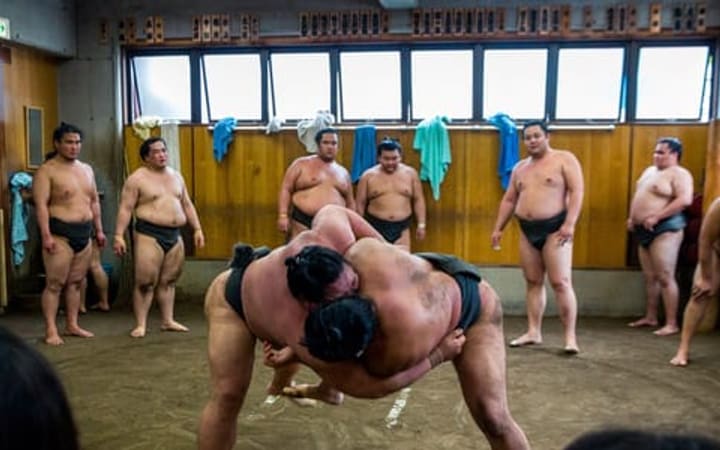
No tournament during your trip? Watch a morning practice at a real sumo stable with a guide, or see a sumo show with dinner back in Asakusa. Both are compared on our sumo page and in the Asakusa Sumo Club review.

Yanaka: the Tokyo that survived
Yanaka is the neighborhood people mean when they say "old Tokyo": temples, narrow lanes and low wooden houses. From Asakusa, ride the Ginza Line to Ueno and change to the JR Yamanote Line for two stops to Nippori. From Nippori's west exit, walk about 5 minutes down the Yuyake Dandan steps ("sunset steps") onto Yanaka Ginza, a short shopping street, about 170 m, of small food stands and family shops. It combines well with Ueno Park on the same day; a private guide who covers Asakusa, Ueno and Yanaka is on our walking tours page.
Prices are the lowest option the platform shows, in US dollars, and move with dates and exchange rates. The booking page is final. Prices checked: September 28, 2026.
How to combine them
- Half day, east: Senso-ji early, Sumida Park, the River Walk, Skytree at sunset. Back by the Tobu line.
- Half day, west: Senso-ji, lunch in Asakusa (food guide), Kappabashi in the afternoon, then the Ginza Line to Ueno for Ameyoko at dusk.
- Full day, museums: Ueno Park in the morning (the museums close at 17:00), Yanaka in the afternoon, Asakusa for dinner.
- Sumo day: Ryogoku on a weekday for the free Sumo Museum and the Edo-Tokyo Museum, back to Asakusa for a sumo show in the evening.
- With children: Skytree plus the aquarium, then Hanayashiki the next morning. More on our with kids page.
For the train lines themselves, including the four different "Asakusa" stations, see getting to Asakusa.
Get your Skytree ticket before you go from US$13.99 · GetYourGuide