
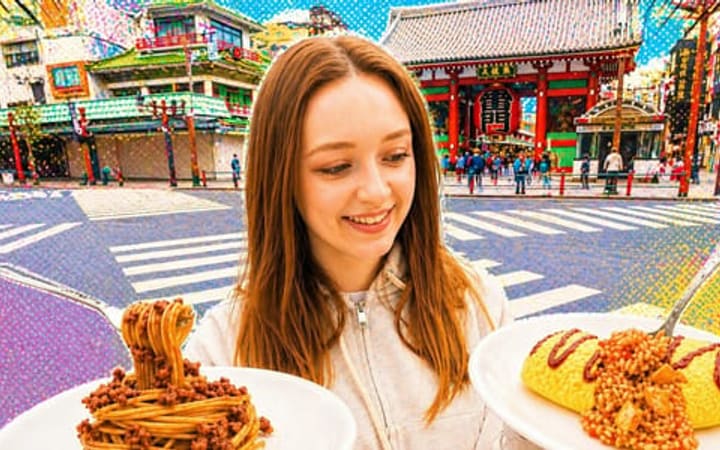
Asakusa is one of Tokyo's easiest neighborhoods to explore with children. The things kids like best are close together: Japan's oldest amusement park, a ninja museum, workshops where they make something to take home, and a riverside park with playgrounds. The flat temple grounds have an elevator up to the main hall. Most of it is walkable from Asakusa Station, and much of it is cheap or free for the smallest ones. What follows is sorted by what actually works at each age, with the rules the booking pages don't always make obvious.
What works at each age
| Age | Best bets | Watch out for |
|---|---|---|
| 0–2 | Hanayashiki's gentle rides and Kids Space, the rickshaw on your lap, Sumida Park playgrounds | Nakamise crowds with a stroller at midday |
| 3–5 | Hanayashiki (free entry), NinNin Park, the ninja class, the Panda Car | NinNin Park costs money from age 3 |
| 6–9 | Ninja training, chopsticks, food samples, the Hanayashiki coaster (110 cm+) | A rickshaw needs a paid seat from elementary school |
| 10–14 | Samurai sword lessons, Disk-O and Little Star, Skytree | Tea ceremonies at MAIKOYA take no under-7s; drivers of go-karts must be 18 |
Two things run through every age group. Japanese venues often set their age bands by school grade, so "child" can mean "until the end of elementary school" rather than a fixed age. And "free for small children" usually means free with a paying adult beside them.
Hanayashiki: start here
For children under about 10, Hanayashiki is the anchor of the day. It is a small, retro park a few minutes' walk west of Senso-ji. Admission is free for ages 0–4 and ¥800 for children from 5 through elementary school, against ¥1,600 for adults. The One-Day Pass (¥4,600 adult, ¥3,400 child) covers every ride except the cash-only Panda Car and games. You can pay at the gate, or book ahead on the park's own web store or on Klook, which sells both admission only and admission with the One-Day Pass, at child rates too, priced close to the official yen figures.
The under-5 rules are generous, with conditions. Most rides are free for under-5s, but they must ride with someone of junior-high age or older who pays. The Roller Coaster, Disk-O and Little Star cost money even for a 4-year-old tall enough to ride. NinNin Park, the indoor ninja play area inside the park, is free up to age 2. From age 3 it costs 5 ride tickets, and an adult aged 20+ must go in with the child and pay too. Numbered tickets are handed out after opening, so go early if it's on the list.
The park is well set up for babies. It has seven changing spots, nursing rooms, hot water at Information and a shoes-off Kids Space with a corner for babies up to 18 months. There is no stroller rental, but you can leave a folded one at Information. Check the park's calendar before you go, since it closes on some Tuesdays and for blocks in early July and early December.
Ninjas and samurai: minimum ages
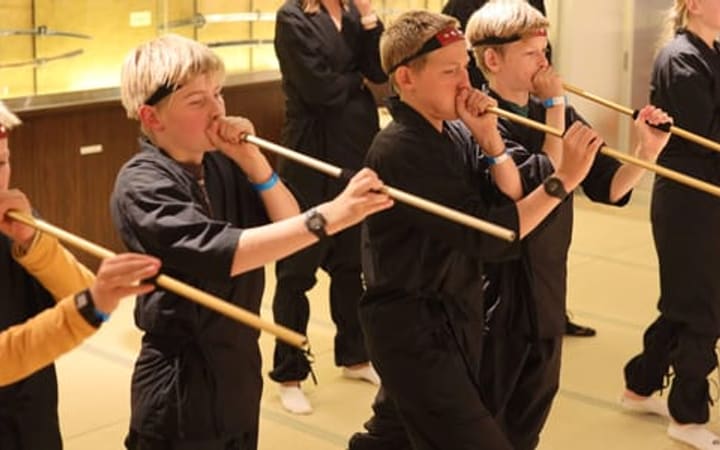
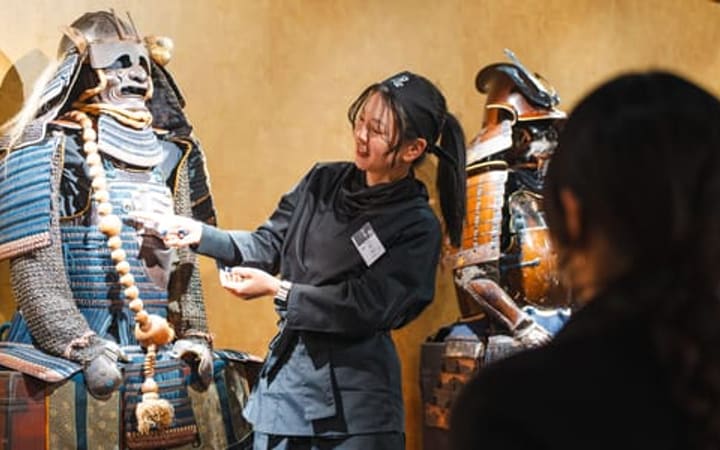
The Samurai Ninja Museum in Nishi-Asakusa, run by the company behind MAIKOYA, turns the idea of ninja into two hours of dressing up and throwing things. Its kid-friendly ninja training puts children in a full ninja outfit. They practice with a blowgun, compete in a throwing-star contest and hunt for ninja treasure, then take a guided tour of the museum. It is open to children from age 3. Younger siblings can come into the building but can't join in. It's taught in English. A GetYourGuide reviewer's 11-year-old "got her money's worth", so it isn't only for little ones.
Prices are the lowest option the platform shows, in US dollars, and move with dates and exchange rates. The booking page is final. Prices checked: September 28, 2026.
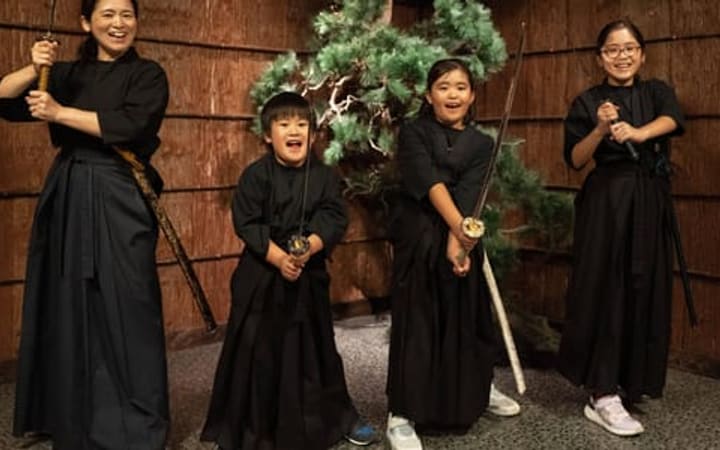
If your children are older, the family samurai sword lesson is the next step up. The premium sword experience takes no one under 10. Museum tours are in English only, and staff ask that family members don't interpret for each other during the tour. If your kids don't speak English, book a private session. The entrance is to the right of a FamilyMart, and the company has branches in Shinjuku and Kyoto too, so double-check which one your ticket is for. Our Samurai Ninja Museum guide and MAIKOYA review go deeper.
Rickshaw rides with children
A 30-minute rickshaw loop is one of the few Asakusa experiences that works with a baby. The fare rules at Ebisuya, the biggest operator, are worth knowing before you get to the Kaminarimon stand:
- There is no child fare. A rickshaw costs the same with or without children: ¥9,000 for one adult or ¥10,000 for two for 30 minutes at the Asakusa branch.
- One child aged 5 or under per adult rides free, on the adult's lap.
- Elementary-school children need their own seat, which means a second rickshaw for most families of four with school-age kids.
- The maximum is two adults and two small children per rickshaw.
- One folded stroller (carry-on size) can ride along. Pullers help wheelchair users.
So two parents with a 2-year-old and a 4-year-old fit in one rickshaw. Two parents with a 7-year-old and a 9-year-old need two. See the rickshaw guide for routes and the Ebisuya review for the fine print.
Workshops kids can actually do
A workshop gives children something to take home and gives you a seated hour in the middle of the day.
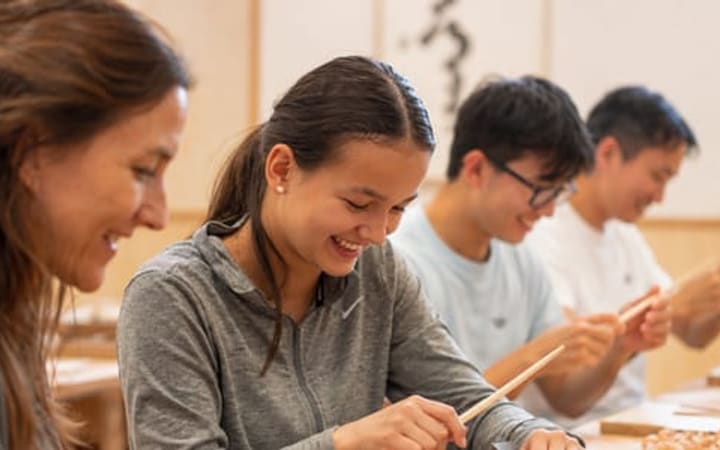
- Chopstick making. Children pick a wood from more than ten kinds, shape it with a traditional Japanese hand plane, sand it and oil it. Staff guide in English or Japanese. The listing says to allow about an hour, and it's cashless. It sets no minimum age, so message the workshop before booking a preschooler. Arrive on time, because anyone more than 15 minutes late may be asked to reschedule.
- Food samples. The fake food in restaurant windows is a Kappabashi craft. At Ganso Shokuhin Sample-ya's Kappabashi shop, the tempura-and-lettuce workshop costs ¥3,300 per person and takes about 40 minutes. It's for first grade of elementary school and up, by reservation only, with at most six per slot. Parents who just want to watch pay ¥500, with a maximum of two per group.
- Candy sculpting. At Ame-shin's Hanakawado workshop, 7 minutes from Asakusa Station (closed Thursdays), children shape a candy rabbit in 1.5–2 hours. It costs ¥3,100 for adults and ¥2,500 for children. Preschoolers can share a parent's place, and parents joining with a child pay the lower rate. Teaching is mainly in Japanese, backed by written instructions and subtitled videos. Once a booking is confirmed, cancelling costs the full fee.
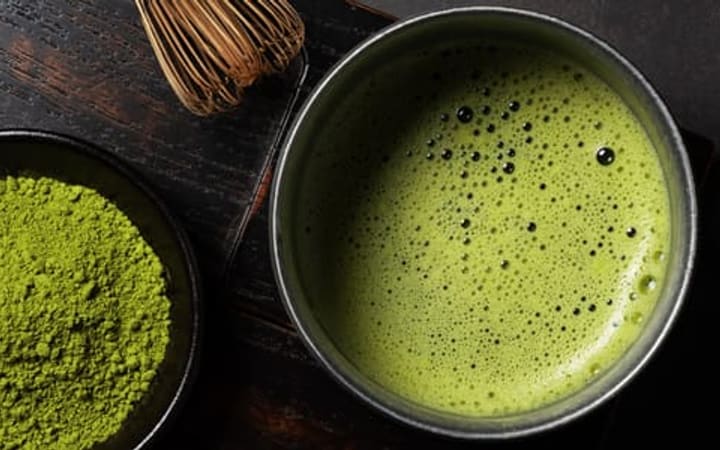
- Matcha and mochi. Whisking your own tea is a calm, short option for children who can sit still.
Prices are the lowest option the platform shows, in US dollars, and move with dates and exchange rates. The booking page is final. Prices checked: September 28, 2026.
One to skip with small children is the formal tea ceremony. MAIKOYA's kimono tea house does not admit children under 7, though it has a separate family plan for children under 12. More options are in our tea ceremony and crafts guide.
Outdoors: Sumida Park and the river

When the children need to run, walk five minutes east to the river. Sumida Park lines both banks. The Sumida-ward side, across the water, has two play areas with a sandpit, slides, swings and climbing frames. In late March and early April the cherry trees on both banks bloom together, and the park gets very busy.
The Sumida River Walk is a free footbridge beside the Tobu railway bridge, open 7:00–22:00. It gets you across the river on foot, and you'll need to push a stroller or bike across. From there, Tokyo Mizumachi's shops lead toward Skytree.
On the Tokyo Cruise water bus from the Asakusa pier by Azumabashi, one child aged 1 to under 6 rides free with each adult. A second small child pays the child fare, and children are 6 to under 12. Himiko, Emeraldas and Hotaluna run to Odaiba for ¥2,000 per adult and ¥1,000 per child, which makes the boat itself the attraction. Each ship skips one Tuesday a month and the day after, so check the timetable first.
Skytree, the aquarium and Ueno Zoo
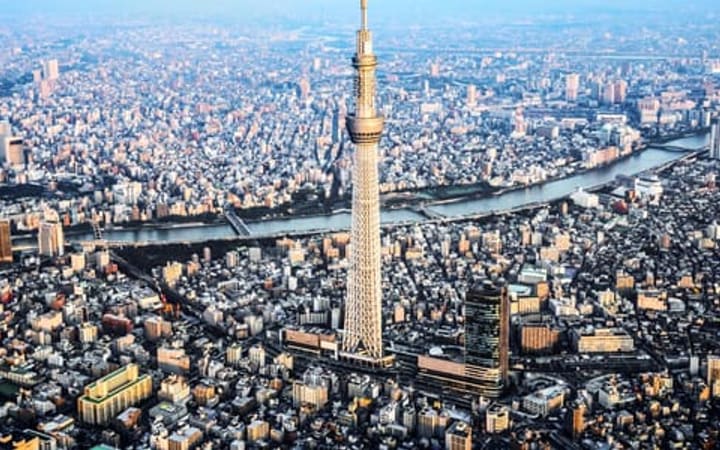
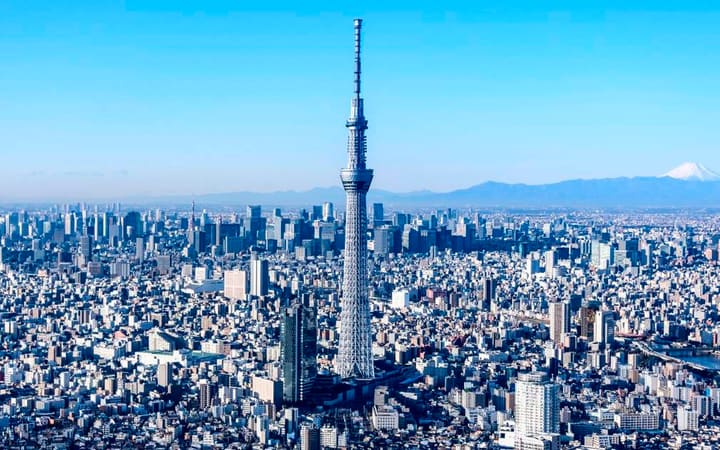
Tokyo Skytree is one stop on the Tobu line (about 3 minutes) or roughly 20 minutes on foot from Senso-ji via the River Walk. Children 5 and under go up free. The child rate covers ages 6 to 14. Prices change by date and start from ¥1,800 for an adult on the Tembo Deck. Buy online, because tickets bought at the counter cost ¥500 more each.
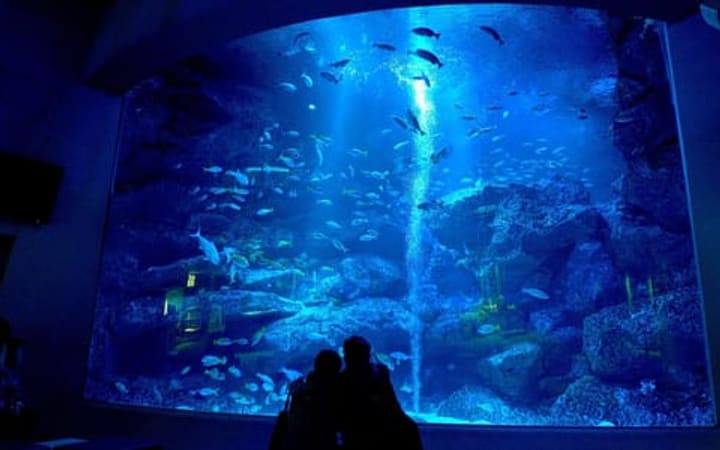
Sumida Aquarium is on the 5th and 6th floors of Tokyo Solamachi at the foot of the tower. Under-3s are free, children 3+ pay ¥900, elementary and junior-high students ¥1,400, and adults ¥2,700. It's a good rainy-afternoon option, and it pairs naturally with the tower.
Prices are the lowest option the platform shows, in US dollars, and move with dates and exchange rates. The booking page is final. Prices checked: September 28, 2026.
Ueno Zoo is three stops on the Ginza Line (about 5 minutes). It opens 9:30–17:00 with last entry at 16:00, and it's closed on Mondays (Tuesday when Monday is a holiday). Entry is free for elementary-school age and under, ¥200 for junior-high students and ¥600 for adults. One thing to tell the kids before you go: there are no giant pandas anymore. The last two went back to China, and Japan currently has none. Our nearby guide covers more day-trip options.
Strollers, diapers and baby facilities
Asakusa is manageable with a stroller if you pick your times. The temple precinct is flat, and Senso-ji has an elevator on the left side of the main hall as you face it. Nakamise-dori at midday is another matter. It's a narrow lane full of people stopping to buy snacks, so push through early or use the parallel back streets.
- Stroller hire: the Asakusa Culture Tourist Information Center opposite Kaminarimon hands out strollers at its 1F counter, 9:00–19:30, for babies from 1 month to 4 years and up to 18 kg. It is no longer a free walk-up loan: the service runs through Babycal, a Japanese stroller-rental app, so register, book a time slot and pay by credit card, charged by the hour. There are only five, so book ahead, and return it by 19:30 to avoid late fees.
- Nursing room: 2F of the same building, 9:00–20:00, with two nursing booths, hot water for formula and a changing bed. The 8F terrace is free and open until 22:00, a good reward for everyone after dinner.
- Toilets with baby facilities at Senso-ji: multipurpose toilets with changing sheets and baby chairs, to the right of Hozomon and behind the main hall.
- Inside Hanayashiki: seven changing spots, nursing rooms, diapers from a vending machine in Kids Space and hot water at Information.
A note on restaurants: the famous Asakusa Imahan sukiyaki house doesn't seat children below junior-high age in its private rooms, special rooms or 3F hall, so check the seating before you book. Children happily eat their way down Nakamise instead. Kagetsudo's jumbo melon pan (¥320) is sold near the temple, and the ningyo-yaki cakes at Kimuraya Honten come shaped like pigeons, pagodas, lanterns and the thunder god. Please eat by the stall rather than while walking. More ideas are in our food guide.
Teenagers who want speed can look at the go-karts, but drivers must be 18 or older with the right license. One operator offers a two-seater that takes a passenger over 130 cm. The details are in the go-kart guide.